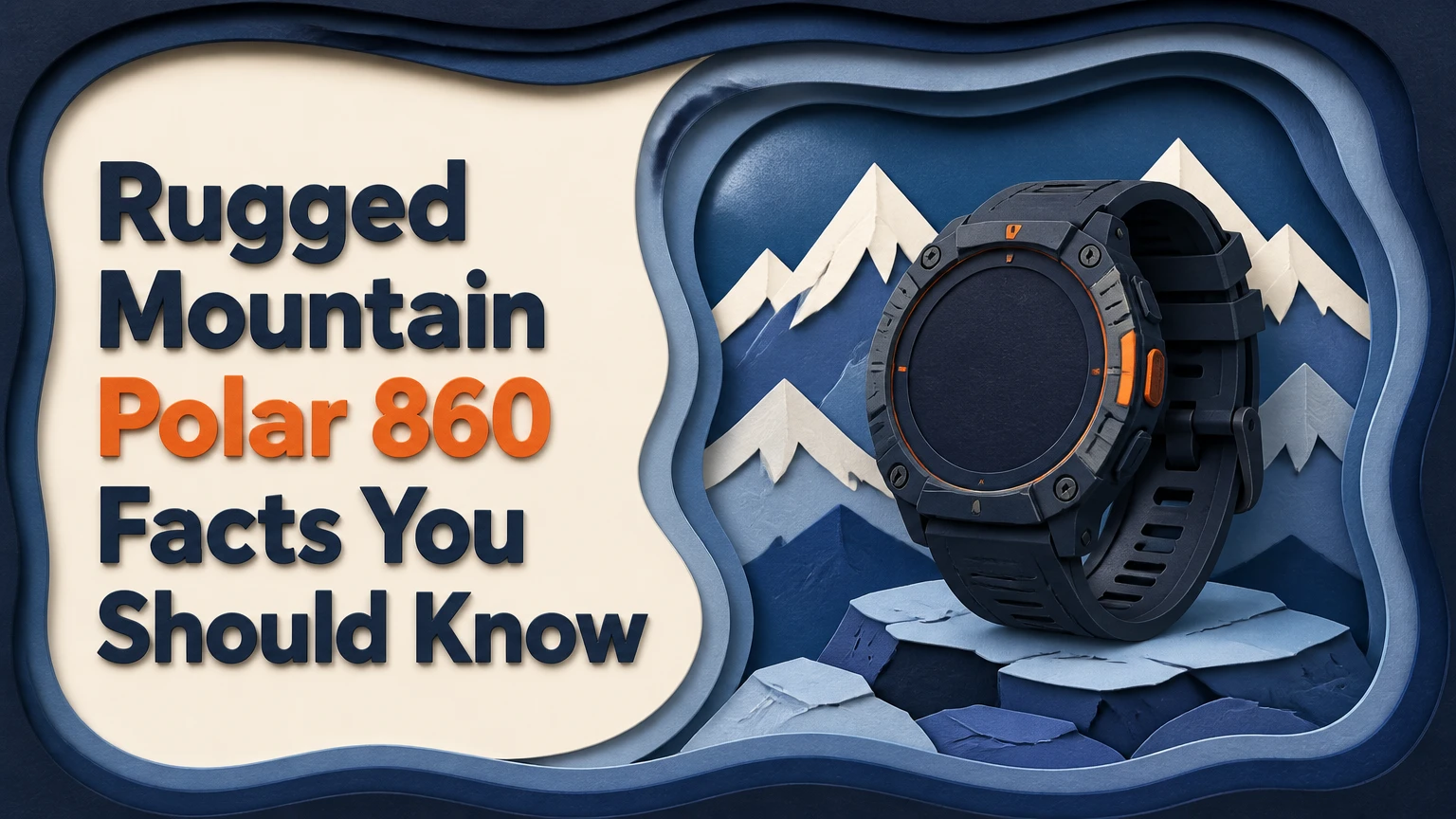
The Rugged Mountain Polar 860 is an 8-foot-6-inch hard-side truck camper with a cab-over bed and passenger-side slide-out, designed for short-bed heavy-duty pickups. Its insulated, enclosed utility basement and laminated fiberglass exterior support four-season camping, but the camper’s actual suitability depends on verified wet weight, truck payload, tie-down geometry, and moisture condition.
Key Facts at a Glance
- The Rugged Mountain Polar 860 has an 8-foot-6-inch floor length and a hard-side cab-over design.
- The camper uses a wood-framed, hung-wall body with a laminated fiberglass exterior and molded front cap.
- Published capacity figures commonly include approximately 30-36 gallons fresh water, 24 gallons gray water, and 24 gallons black water, depending on year.
- The passenger-side dinette slide-out uses a 12-volt powered mechanism and requires adequate battery voltage.
- A 2,500-watt Cummins Onan LP generator appears on equipped units, but generator and lithium upgrades are not universal.
- A three-quarter-ton truck may meet a brochure threshold, while a one-ton pickup often provides a more practical payload margin.
What Is the Rugged Mountain Polar 860?
The Rugged Mountain Polar 860 is a premium hard-side truck camper built around a fixed cab-over sleeping area, a rear living and kitchen zone, and a powered dinette slide-out. The “860” designation refers to the nominal floor length of 8 feet, 6 inches, not the camper’s total exterior length or its loaded weight.
Rugged Mountain Custom RV developed the modern Polar 860 from a floor plan associated with Northland Industries. Truck Camper Magazine’s reports from 2017 onward describe the newer Rugged Mountain version as a substantially updated product, with a brighter residential interior, revised exterior materials, and equipment changes compared with older Northland-branded examples.
That history matters when shopping used. A Northland Polar 860 and a later Rugged Mountain Polar 860 may share the same nominal floor plan while differing in wall finish, electrical equipment, appliances, holding-tank arrangement, seals, and documentation. Treat the model name as a starting point, not proof of identical specifications.
Which model years are different?
The pre-2017 Northland-era campers generally have older interiors and may show more conventional RV construction details, while Rugged Mountain-era campers introduced a modernized interior and updated exterior presentation. The exact changeover is not a perfect specification boundary because dealer stock, custom orders, and owner modifications create overlap.
| Era or listing type | Typical identifying feature | Buyer implication |
|---|---|---|
| Northland Polar 860, pre-2010 listings | Darker wood interior, older appliances | Moisture and frame inspection dominate value |
| Northland transition units, approximately 2010-2016 | Mixed older and updated equipment | Verify each appliance and tank specification |
| Rugged Mountain Polar 860, approximately 2017-2019 | Bright laminated interior, modernized fixtures | Check slide, cap seams, generator, and service records |
| Custom or modified used unit | Lithium, solar, or replacement appliances | Confirm installation quality and remaining payload |
How Does the Polar 860 Work?
The Polar 860 operates as a removable living module secured in a pickup bed. Reico Titan electric jacks raise the camper for loading and stabilize it at camp, while frame-connected turnbuckles transfer travel forces through rated truck and camper attachment points.
The camper’s 12-volt system powers lighting, the water pump, furnace controls, jacks, and slide-out actuator. Shore power supports the converter and household-style AC loads, while propane commonly supplies the furnace, refrigerator on equipped configurations, water heating, and generator fuel. The truck connection can provide charging and running-light functions, but charging performance depends on wiring, alternator output, fuse protection, and voltage drop.
The dinette slide increases usable interior space only after the vehicle is parked. It is a mechanical system, not a structural substitute for leveling. Operating the slide with a twisted or unsupported camper can overload the actuator and damage the slide frame.
What does a normal setup require?
A practical campsite sequence takes approximately 15-30 minutes after arrival, depending on leveling and utility connections. Park on firm, reasonably level ground, confirm overhead and side clearances, lower the jacks only enough to stabilize the camper, and then extend the awning and slide.
Keep the truck attached whenever the camper’s design or manufacturer instructions require it. If unloading, use a stable support strategy rather than relying on extended corner jacks on soft ground. Never place hands inside a moving jack, slide mechanism, or pinch point.
What Are the Polar 860 Specifications?
The most consistently reported Polar 860 specification is its 8-foot-6-inch floor length, but tank capacities and installed equipment vary by model year. J.D. Power listings and Rugged Mountain coverage provide useful reference points, yet buyers should prioritize the individual camper’s data plate, manuals, weigh ticket, and inspection over a generic internet listing.
| Attribute | Commonly reported value | Verification method |
|---|---|---|
| Nominal floor length | 8 ft 6 in | Measure interior floor and inspect data plate |
| Fresh water | 30-36 gal | Read tank label and confirm water-heater inclusion |
| Gray water | 24 gal | Inspect tank label or plumbing documentation |
| Black water | 24 gal | Inspect tank label and toilet discharge routing |
| Auxiliary generator | 2,500 W Cummins Onan LP | Confirm model plate and operating test |
| Shore cord | 25 ft | Inspect cord rating and inlet condition |
| Battery storage | Dual-battery slider compartment | Check tray dimensions and cable condition |
| Slide-out | Passenger-side powered dinette | Test under stable, level conditions |
The tank figures produce a meaningful payload penalty. Water weighs about 8.34 pounds per gallon, so 30 gallons of fresh water adds roughly 250 pounds before accounting for the water heater, containers, food, clothing, tools, propane, batteries, and passengers. A full 36-gallon fresh tank adds approximately 300 pounds.
A published dry weight is not a reliable travel weight unless it identifies included options. Generator fuel, batteries, jacks, awning, appliances, water, propane, and personal cargo can change the final number substantially.
How much payload does the truck need?
The truck needs enough remaining payload for the camper’s actual wet weight, passengers, tie-down equipment, hitch accessories, and cargo, with reserve capacity. A practical screening method is to weigh the fully loaded rig at a certified truck scale and compare axle loads with the truck’s door-jamb ratings.
| Load component | Typical planning allowance | Why it matters |
|---|---|---|
| Fresh water, 30-36 gal | 250-300 lb | Water is often excluded from dry weight |
| Propane, two cylinders | 70-80 lb | Includes cylinders and fuel allowance |
| Batteries, two lead-acid units | 120-150 lb | Lithium systems change both weight and cost |
| Personal cargo and food | 300-500 lb | Clothing, tools, cookware, and outdoor gear accumulate |
| Two adults and equipment | 350-450 lb | Occupants count against payload |
| Generator, fuel, and accessories | 100-180 lb | Installation differs by unit |
| Safety margin | 500 lb or more | Protects handling and future cargo capacity |
A three-quarter-ton pickup can be compatible in some configurations, but a one-ton single-rear-wheel or dually truck usually offers more usable margin. The door-jamb payload label is vehicle-specific; a manufacturer’s maximum payload figure for an empty chassis does not certify a particular used truck after options and passengers are added.
Is the Polar 860 a True Four-Season Camper?
The Polar 860 is designed for cold-weather use through an enclosed and heated basement, insulated body, protected plumbing, and furnace-based interior heat. That design reduces freeze exposure, but it does not make the camper immune to freezing, condensation, battery loss, propane depletion, or blocked furnace vents.
The utility basement places the holding tanks and plumbing in a more protected environment than an exposed underbody installation. A foam-backed diamond-plated bottom shield adds physical and thermal protection. In sub-freezing weather, however, the furnace must run, battery voltage must remain adequate, and cabinet doors may need to stay open so warm air reaches vulnerable plumbing.
Cold-weather planning should include a thermometer near the lowest plumbing point, a charged backup battery, adequate propane, and a winterization plan. The furnace can consume significant battery power through its blower, and a generator cannot compensate for poor ventilation or an obstructed exhaust.
What is the winter limitation?
The Polar 860 is less suitable for unattended freezing conditions than its “four-season” label may imply. If the camper is stored without heat, drain the system and winterize it according to the manufacturer’s procedure; trapped water in pumps, filters, valves, and appliance lines can still cause expensive damage.
Condensation is another hidden winter load. Cooking, showering, and breathing add moisture to a sealed cabin, so ventilation and controlled heating matter as much as insulation. Inspect roof penetrations and cab-over seams after freeze-thaw cycles because sealant movement can create leaks even in a well-insulated camper.
How Much Does a Polar 860 Cost?
Typical used pricing ranges from approximately $8,000-$15,000 for older Northland-era units and $28,000-$42,000 for many 2017-2020 Rugged Mountain examples. These are market planning ranges, not guaranteed transaction values; generator condition, water damage, truck compatibility, lithium upgrades, and regional demand can move the price sharply.
Historical factory-direct references for custom builds commonly fall around $35,000-$45,000 before later options, transportation, taxes, and equipment changes. A historical lead time of 8-16 weeks should not be treated as a current production promise because factory availability and model status require direct confirmation.
| Unit condition | Typical price range | Inspection priority |
|---|---|---|
| Older Northland, usable but dated | $8,000-$15,000 | Wood rot, cap seams, appliances |
| 2017-2020 used Rugged Mountain | $28,000-$42,000 | Slide, generator, tanks, payload |
| Heavily upgraded used unit | $35,000-$50,000 | Lithium installation and wiring |
| Historical custom-build reference | $35,000-$45,000 base | Current factory quote and options |
A low purchase price can conceal a high restoration bill. Replacing wet framing, flooring, appliances, seals, or a slide actuator can erase the apparent discount, so a professional moisture inspection is often worth more than negotiating another few hundred dollars.
How Should You Compare the Polar 860 With Alternatives?
The Polar 860 is strongest when a buyer wants a hard-side, insulated camper with a slide-out and accepts the weight and maintenance that follow. A molded-shell camper such as Northern Lite or Bigfoot generally reduces wood-rot exposure, while a pop-up camper usually lowers weight and wind resistance at the expense of interior volume and some cold-weather convenience.
| Decision factor | Polar 860 | Northern Lite or Bigfoot | Lightweight pop-up |
|---|---|---|---|
| Construction approach | Wood frame, laminated fiberglass | Molded fiberglass shell | Fabric-sided lift system |
| Slide-out | Passenger dinette slide | Model-dependent, often absent | Usually absent |
| Cold-weather utility | Enclosed heated basement | Strong shell insulation, model-dependent | More exposed fabric and plumbing |
| Leak consequence | Possible wood-frame rot | Shell and seal repairs, less framing risk | Fabric and lift-system wear |
| Truck demand | Heavy-duty pickup commonly needed | Model-specific, often lower | Half-ton compatibility more common |
| Interior volume | Highest among these choices | Moderate | Lower with roof collapsed |
| Used maintenance focus | Framing, slide, cap, tanks | Shell seams, windows, appliances | Lift posts, canvas, seals |
Northern Lite and Bigfoot are not automatically superior. Their molded construction can be expensive to repair after collision damage, and their available floor plans may not provide the Polar 860’s slide-out living area. The correct comparison is the loaded camper and the owner’s travel pattern, not the marketing category.
What Are the Main Advantages and Disadvantages?
The Polar 860’s main advantage is the combination of hard-side protection, a slide-out living area, and enclosed cold-weather plumbing in a truck-mounted package. Its central disadvantage is that the same features increase weight, payload demand, mechanical complexity, and repair exposure.
Advantages
- The molded front nose cap reduces the number of exposed cab-over front seams.
- The enclosed basement protects tanks and plumbing from road debris and cold air.
- The dinette slide creates more interior room without increasing the parked footprint.
- The residential-style interior can feel less cramped during multi-day stays.
- A built-in LP generator can provide power without carrying a separate portable unit.
Limitations
- A wood-framed wall can suffer concealed rot after prolonged seal failure.
- The slide-out adds motor, actuator, seal, alignment, and floor-maintenance requirements.
- A full water tank and personal cargo can consume hundreds of pounds of payload.
- The tall hard-side profile is less convenient on narrow forest roads and low branches.
- Older units may have obsolete appliances, brittle sealant, and undocumented modifications.
The Polar 860 is not an ideal choice for a half-ton truck simply because the camper fits the bed physically. Bed length and payload are separate constraints, and axle loading may become unsafe before the body appears overloaded.
How Do You Load and Secure a Polar 860?
Loading a Polar 860 safely requires level jack movement, centered truck alignment, verified bed clearance, and frame-connected tie-downs. The work commonly takes 20-40 minutes after preparation, and the most important checkpoint is confirming that the camper rests correctly before tensioning the turnbuckles.
Step 1: Inspect the truck and camper
Check tire pressure, jack feet, jack motors, wiring, bed clearance, and the condition of all four tie-down points. Remove loose bed cargo and confirm that the truck’s payload, axle ratings, and suspension condition support the planned wet load.
Success checkpoint: The camper’s attachment points align with rated truck tie-downs, and no jack or corner shows visible damage.
Common mistake: Using bumper or bed sheet metal anchors that were not designed for camper loads.
Step 2: Raise the camper evenly
Raise the camper only high enough to clear the truck bed. Operate opposing jacks in small, balanced increments rather than lifting one corner several inches at once.
Success checkpoint: The camper remains level enough for the truck to reverse beneath it without contact.
Common mistake: Raising the camper excessively, which increases sway and jack loading.
Step 3: Align and reverse slowly
Use a spotter and move straight backward between the wheel wells. Check cab-over clearance, tailgate interference, propane-cylinder clearance, and the position of the camper’s center of gravity relative to the axle.
Success checkpoint: The camper sits centered, the front structure clears the cab, and the bed supports the intended contact points.
Common mistake: Assuming a short-bed label guarantees clearance for every truck cab and bed configuration.
Step 4: Lower and connect the camper
Lower the camper until it rests fully on the bed or approved platform. Connect the electrical harness, then attach correctly rated turnbuckles to frame-mounted or manufacturer-approved anchor points.
Success checkpoint: Turnbuckles are snug without excessive compression, and the wiring has slack for movement without dragging.
Common mistake: Over-tightening tie-downs until the camper structure or truck attachment points are distorted.
Step 5: Test before travel
Close and latch the slide, awning, doors, windows, and storage compartments. Confirm that jacks are retracted, steps are secured, propane is configured for travel, and all exterior lights work.
Success checkpoint: A walkaround reveals no open compartment, loose cable, hanging jack, or obstructed light.
Common mistake: Leaving the slide extended because the interior appears more stable that way.
What Problems Should Buyers Inspect?
The highest-value inspection targets are moisture, slide alignment, jack operation, tank leaks, furnace performance, and electrical modifications. An experienced buyer should spend more time under the camper and inside cabinets than polishing the fiberglass exterior, because structural damage often begins behind trim and sealant.
Use a moisture meter on the cab-over corners, nose-cap transitions, roof penetrations, window frames, slide perimeter, and rear door. Soft flooring, swollen trim, stained wallboard, musty odor, loose fasteners, and fresh sealant over old damage deserve further investigation.
| Inspection zone | Warning sign | Likely consequence |
|---|---|---|
| Cab-over nose and roof | Cracked sealant, soft wall | Hidden framing or insulation damage |
| Slide-out floor | Sagging edge, uneven travel | Water intrusion or alignment failure |
| Jacks | Slow movement, clicking motor | Motor, gear, wiring, or load problem |
| Basement | Damp insulation, rusted fittings | Freeze damage or tank leakage |
| Generator | Hard starting, low output | Fuel, carburetor, exhaust, or service cost |
| Battery compartment | Corrosion, undersized cables | Voltage drop and unreliable slide operation |
| Windows and rear door | Staining or swollen trim | Recurrent perimeter leaks |
Two expert rules of thumb apply. First, fresh sealant is evidence of recent work, not evidence that the underlying leak was repaired. Second, a camper that passes a dry visual inspection can still fail a moisture test around the slide and cab-over.
How Do You Troubleshoot Common Systems?
Troubleshooting should begin with power, fuel, switches, and visible obstructions before component replacement. A Polar 860 owner can perform basic checks, but propane leaks, damaged 120-volt wiring, structural water damage, and failed jacks require qualified service.
Why does the slide-out stop or move slowly?
A slow or nonresponsive slide usually indicates low battery voltage, poor connections, an obstructed travel path, or actuator damage. Measure battery voltage under load, inspect fuses and grounds, confirm the camper is level, and check that the interior and exterior seals are not folded into the mechanism.
Do not repeatedly hold the switch while the motor stalls. Connect suitable shore power or a properly configured charging source, then retry briefly. If the motor clicks, twists, or moves unevenly, stop operation and arrange mechanical inspection.
Why does the furnace ignite and then shut down?
A furnace that lights and immediately stops commonly has inadequate airflow, a dirty sail switch, low propane pressure, blocked intake or exhaust, or insufficient electrical voltage. Confirm that vents are open, the exterior terminal is clear of insects and snow, and the battery remains above the system’s operating threshold under load.
Do not bypass a furnace safety switch. A technician should test gas pressure, combustion, limit switches, and wiring when cleaning and basic airflow checks do not solve the shutdown.
Why does the water pump run continuously?
A continuously running pump usually means an empty tank, open faucet, air leak on the suction side, failed pressure switch, or plumbing leak. Confirm fresh water, close every faucet, inspect the filter bowl and inlet fittings, and check winterization valves for an incorrect bypass position.
If the pump cycles with all fixtures closed, inspect for a hidden leak before leaving it powered. Continuous cycling can discharge batteries and damage the pump.
Who Should Buy a Polar 860?
The Polar 860 suits a winter camper who values an enclosed basement, a hard-side shell, and a full interior more than minimum weight. It also suits a long-stay couple with a properly rated one-ton truck, especially when the slide-out materially improves daily livability.
The camper is a weaker match for casual summer campers, narrow-trail overlanders, and owners of trucks with marginal payload. A non-slide camper or pop-up design can deliver lower ownership risk and easier handling when the camper will be used only a few weekends each year.
| Buyer profile | Fit | Reason |
|---|---|---|
| Winter boondocker | Strong | Heated basement and hard-side insulation |
| One-ton truck owner | Strong | Better payload and axle margin |
| Half-ton owner | Weak | Payload and center-of-gravity risk |
| Tight-trail overlander | Moderate to weak | Height, width, slide, and body exposure |
| Summer weekend camper | Moderate | Comfort is high, complexity may be unnecessary |
A practitioner’s rule is to choose the truck first, then the camper. Buying a Polar 860 before confirming the exact door-label payload, rear-axle rating, tire capacity, and tie-down geometry reverses the safest order of decisions.
FAQ
Does the Polar 860 fit every short-bed truck?
No. The Polar 860 is intended for short-bed applications, but bed length, cab style, wheel-well spacing, tailgate geometry, center of gravity, and tie-down location vary by truck. Measure the specific truck and verify the camper’s loaded center of gravity before purchase.
Can a Ram 1500 or Ford F-150 carry a Polar 860?
Some half-ton trucks may physically accept the camper, but payload and rear-axle limits commonly make the pairing unsuitable once water, propane, passengers, batteries, gear, and jacks are included. Use the door-jamb payload label and a certified scale, not the truck model name alone.
Does the Polar 860 include a bathroom?
Published layouts and equipment can vary by year and custom configuration, so confirm the exact unit’s toilet, shower, black-tank, and gray-tank arrangement. A listing that mentions a 24-gallon black tank does not by itself prove that every interior fixture is installed or operational.
How often should Polar 860 seals be inspected?
Inspect roof, cab-over, window, basement, rear-door, and slide seals at least twice each camping season, with an additional inspection after severe hail, branch impact, or freeze-thaw exposure. Replace failing sealant using a compatible RV product rather than applying new material over contamination or active damage.
Is a built-in generator necessary for off-grid camping?
No. Solar, batteries, a portable generator, or shore power can fill different roles, but a built-in 2,500-watt LP generator offers convenient high-output charging and appliance support. Verify that the individual Polar 860 actually includes the generator before assigning value to the feature.
The Bottom Line
The Rugged Mountain Polar 860 is a comfortable, insulated slide-in camper for buyers who can support its weight and maintain its mechanical and sealed systems. The strongest purchase decision comes from matching the exact camper to a weighed, properly equipped heavy-duty truck, then rejecting any unit with unresolved moisture, slide, jack, or plumbing damage. For the target query, these are the Rugged Mountain Polar 860 facts you should know before comparing prices or committing to a truck.